TL;DR - Quick Summary
- Peptides are short chains of amino acids (2-50 units) that regulate biological functions
- They work by binding to specific cell receptors and triggering signaling cascades
- 7 major categories: Recovery, Weight Loss, Anti-Aging, Growth Hormone, Cognitive, Sexual Health, Immune
- Most peptides are still in research phases; only a handful are FDA-approved for clinical use
- Peptides differ from proteins by size and specificity; they're not steroids
- COAs (Certificates of Analysis) verify purity and identity; always request third-party testing
- Administration varies by peptide (injection, oral, intranasal)
What Exactly Are Peptides?
A peptide is a short chain of amino acids linked together by peptide bonds. Think of amino acids as LEGO blocks, and peptides as small structures made from 2 to 50 of those blocks linked together. When chains exceed 50 amino acids, they're typically classified as proteins.
The term "peptide" comes from the Greek word "peptos," meaning "digested." This reflects the fact that peptides are often produced during protein digestion. However, in modern research and clinical contexts, peptides are synthesized or extracted to perform specific biological functions.
Peptides vs. Proteins: What's the Difference?
While both are chains of amino acids, the key differences are:
- Size: Peptides are smaller (under 50 amino acids), while proteins are larger (50+ amino acids)
- Specificity: Peptides are designed or naturally selected to perform very specific functions
- Bioavailability: Many peptides can be absorbed through oral or nasal routes, while larger proteins usually require injection
- Stability: Peptides are often less stable than proteins but more targeted in their effects

Peptide research relies on synthesizing and testing specific amino acid chains
How Do Peptides Work?
Peptides exert their biological effects through a precise mechanism known as receptor binding and cell signaling. Here's the simplified process:
The Mechanism: A Step-by-Step Breakdown
- Receptor Recognition: A peptide circulates through the bloodstream and reaches a target cell with specific receptors (usually on the cell surface). The peptide's unique amino acid sequence acts like a key, fitting precisely into its matching receptor "lock."
- Binding: When the peptide binds to its receptor, it triggers a conformational change in the receptor protein.
- Signal Cascade: This change activates internal signaling pathways within the cell, often involving second messengers like cAMP or calcium ions.
- Biological Response: The cell responds by producing specific proteins, adjusting metabolism, altering hormone levels, or triggering other biological processes.
- Termination: The peptide is eventually broken down by enzymes (peptidases) and cleared from the system.
This is fundamentally different from how hormones like testosterone or estrogen work. Those are steroid hormones that pass through cell membranes and bind to intracellular receptors. Peptide hormones (like insulin or growth hormone) work externally, on cell surface receptors.

Modern peptide research relies on understanding receptor binding mechanisms
The 7 Major Categories of Peptides
The peptide research space has expanded dramatically. Here's how researchers and practitioners organize peptides by their primary functions:
Recovery & Tissue Repair
Peptides that promote muscle recovery, joint healing, and tissue regeneration. These are popular with athletes and those managing musculoskeletal conditions.
Example compounds: BPC-157, TB-500, KPV, GHK-Cu
Weight Loss & Metabolism
GLP-1 and GLP-1-like peptides that regulate appetite, glucose metabolism, and weight. The fastest-growing category following Ozempic's popularity.
Example compounds: Semaglutide, Tirzepatide, Retatrutide
Anti-Aging & Longevity
Peptides linked to cellular regeneration, collagen production, and preventing age-related decline. Targets skin health, bone density, and systemic aging.
Example compounds: GHK-Cu, LL-37, Epithalon, NAD+ boosters
Growth Hormone & IGF-1
Peptides that stimulate growth hormone release or increase IGF-1 levels. Popular for muscle growth, recovery, and metabolic effects.
Example compounds: GHRP-2, GHRP-6, Ipamorelin, CJC-1295
Cognitive & Neuroprotection
Peptides that cross the blood-brain barrier and support neuroplasticity, memory, and neuroprotection. Emerging area with promising research.
Example compounds: Semax, Selank, Noopept, Cerebrolysin
Sexual Function & Libido
Peptides that improve erectile function, sexual desire, and reproductive health. Often used alongside other compounds.
Example compounds: PT-141, Melanotan II, Oxytocin
Immune Function & Defense
Peptides that modulate immune response, increase thymic function, and enhance immune surveillance.
Example compounds: Thymosin Alpha 1, Thymosin Beta 4, LL-37
Natural vs. Synthetic Peptides: What's the Difference?
Natural peptides are found in food sources and are produced within the body. For example, endorphins are natural peptides produced in the brain, and casomorphins are peptides from milk proteins. These peptides have co-evolved with human physiology over millennia.
Synthetic peptides are manufactured in laboratories, either by mimicking natural peptides or by creating entirely new sequences. Most peptides used in research are synthetic, allowing researchers to:
- Achieve consistent purity and potency
- Extend shelf-life through chemical modifications
- Create improved versions with better bioavailability
- Produce them at scale for clinical trials
The distinction matters: natural peptides from food (like those in bone broth collagen) are heavily degraded during digestion and rarely exert the same effects as intact synthetic peptides. This is why injected or intranasal peptides are far more effective than oral supplements claiming peptide content.
The Current Research Landscape (2026)
The peptide research space has exploded in the past few years. Here's what the data shows:
- Search interest: "Peptides" now gets approximately 10.1 million monthly searches globally, with GLP-1 compounds dominating 40% of that traffic.
- Research publications: PubMed indexes over 500,000 papers mentioning peptides, with thousands published annually.
- Clinical trials: As of 2026, there are 2,847 active peptide-based clinical trials, up from 1,200 in 2020.
- Market growth: The peptide therapeutics market has grown from $8.9B (2020) to an estimated $23B+ (2026).
- FDA approvals: Only about 60 peptide-based drugs are currently FDA-approved, with most still in research phases.
How to Evaluate Peptide Research: Separating Quality from Hype
Not all peptide research is created equal. Here's how to assess study quality:
The Evidence Hierarchy (Best to Weakest)
| Study Type | Quality Level | Example |
|---|---|---|
| Randomized Controlled Trials (RCTs) in humans | Gold Standard | Semaglutide STEP trials (published in NEJM) |
| Large cohort studies | Very Good | Multi-center peptide safety studies with 500+ participants |
| Small human studies | Good | Double-blind studies with 30-100 participants |
| Animal studies | Preliminary | Mouse or rat models showing mechanism |
| In vitro (cell culture) studies | Exploratory | Isolated tissue or cell line studies |
| Anecdotal reports | Unreliable | "This peptide changed my life" testimonials |
Red Flags in Peptide Research
- No published studies: If a peptide has zero PubMed citations, claims are unverified
- Only animal data: Results in mice rarely translate to humans
- Funded by sellers: Vendor-sponsored research can be biased
- Extraordinary claims: "Cure for aging" or "regrow organs" without evidence
- Cherry-picked endpoints: Reporting only positive findings while ignoring negative results
The FDA and Peptides: Understanding the Regulatory Landscape
This is crucial to understand: Most peptides are not FDA-approved. Here's the regulatory status:
FDA-Approved Peptide Drugs
Only about 60 peptide-based therapeutics have FDA approval for clinical use, including:
- Semaglutide (Ozempic, Wegovy): GLP-1 receptor agonist for diabetes and weight loss
- Tirzepatide (Mounjaro, Zepbound): GLP-1/GIP dual agonist
- Insulin and analogs: For diabetes management
- Exenatide (Byetta): GLP-1 agonist
- Octreotide (Sandostatin): For neuroendocrine tumors
- Teriparatide (Forteo): Recombinant PTH for osteoporosis
Research-Use Peptides
Most other peptides (BPC-157, TB-500, CJC-1295, etc.) are available only for research purposes in the United States. The FDA has not approved them for human consumption. Vendors legally must label them "not for human consumption" or "for research only."
International Differences
Some peptides are approved in other countries but not the US. For example, Semax and Selank are approved in Russia and Ukraine but not FDA-approved in the US. Always check local regulations.
Safety Considerations and What You Should Know
Peptides are generally considered safer than many synthetic compounds because they're made of amino acids your body already uses. However, they're not risk-free:
Common Concerns
- Purity: Lower-quality suppliers may have impurities or incorrect active amounts
- Injection-related: Infection, sterile abscess, or tissue damage if injected incorrectly
- Tolerance: Repeated use may lead to receptor desensitization, reducing effectiveness
- Immune responses: Some people develop antibodies to peptides, neutralizing their effects
- Dosing variability: Most research peptides lack standardized dosing protocols
- Drug interactions: Some peptides may interact with medications
GLP-1 Safety Profile (Most Popular Category)
As the most commonly researched peptide category, we have good safety data from clinical trials:
- Most common side effects: nausea, vomiting, constipation, diarrhea (GI effects)
- Serious but rare: pancreatitis, gallbladder issues, changes in thyroid function
- Cardiovascular benefits observed in SELECT trial (semaglutide reduced cardiovascular events)
- Long-term safety data extends to 2+ years; longer-term effects still being studied
Getting Started: How to Research Peptides Safely
If you're considering peptide research, follow these steps:
- Consult a healthcare provider: Discuss which peptides might align with your health goals. They can assess your individual risk factors.
- Read the primary literature: Visit PubMed.gov and search for your peptide of interest. Read abstracts and full papers if available.
- Evaluate the vendor: Reputable suppliers provide third-party tested COAs (Certificates of Analysis). Avoid vendors making health claims.
- Understand the peptide's mechanism: Know what the research actually shows, not what marketing claims.
- Start with literature review: CompareMyPeptide has hub pages for 38 compounds with current research summaries.
- Take our peptide quiz: Unsure where to start? Our research quiz can guide you toward peptides aligned with your interests.
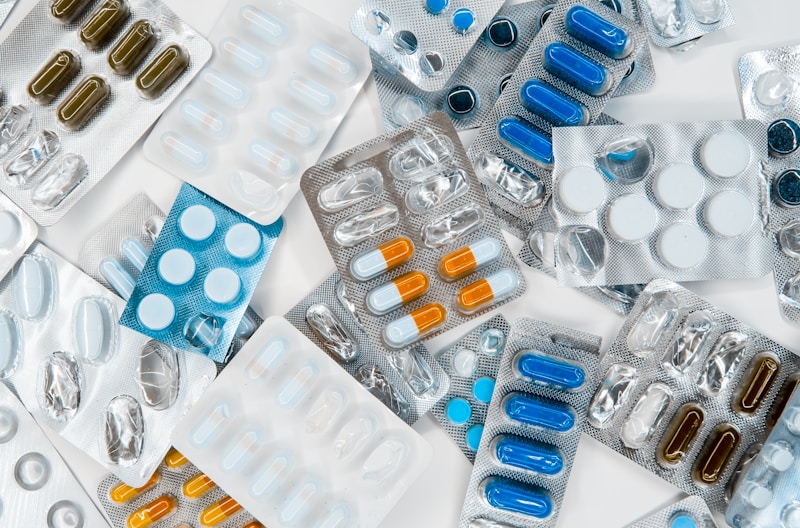
Administration method varies by peptide; consult medical professionals for proper technique
Frequently Asked Questions
Peptides are generally safe when used properly, as they're made of amino acids your body naturally produces. However, safety depends on several factors: purity (from reputable suppliers), proper administration (sterile technique if injecting), appropriate dosing, and individual health factors. Always consult a healthcare provider before using any research peptides. Most common side effects are mild, though serious adverse events are rare.
In the United States, most research peptides are legal to purchase, though they must be labeled "for research only" or "not for human consumption." FDA-approved peptides like semaglutide require a prescription. Internationally, regulations vary significantly. Some peptides are approved for medical use in certain countries. Always check local laws before purchasing. Competitive athletes should note that many peptides are banned by sports organizations.
Different peptides use different routes: subcutaneous injection (under the skin) is most common for research peptides. Intramuscular injection is used less frequently. Intranasal administration works for some peptides (Semax, Selank). Oral peptides are emerging but have poor bioavailability since digestive enzymes break them down. Intravenous administration is reserved for clinical settings. The optimal route depends on the peptide's molecular structure and target.
The main difference is size: peptides contain 2-50 amino acids, while proteins exceed 50 amino acids. Peptides are more specific in their effects and often have better bioavailability. Proteins are larger and more structurally complex. Peptides are easier to synthesize in a lab and often have longer shelf lives with certain modifications. Both are made from amino acids, but their size difference creates fundamentally different properties.
No, peptides are not steroids. Steroids are lipophilic hormones (like testosterone) that pass through cell membranes and bind to intracellular receptors. Peptides are hydrophilic chains of amino acids that bind to surface cell receptors. This fundamental difference means they act through completely different biological pathways. Some peptides (like growth hormone-releasing peptides) affect the hormonal system, but they themselves are not hormones or steroids.
This varies widely by peptide. Some show effects within days (weight loss peptides like semaglutide often show appetite reduction within 1-2 weeks), while others require weeks or months of consistent use. Recovery peptides like BPC-157 may show benefits over 4-12 weeks. Cognitive peptides can take 2-4 weeks to produce noticeable effects. Anti-aging peptides work on cellular timescales, often requiring months to years. Always review the specific research for your peptide of interest.
A COA is a document from an independent lab confirming a peptide's identity, purity, and composition. It shows HPLC results (purity %), mass spectrometry data (molecular weight confirmation), and absence of contaminants. A legitimate COA includes the lab name, accreditation, test date, and specific methodology. COAs are essential for evaluating peptide quality. Always request COAs from vendors, and verify the testing lab independently to ensure legitimacy.
FDA-approved peptides like semaglutide, tirzepatide, and insulin require prescriptions. Most research peptides available online don't require prescriptions (though they're labeled "for research only"). However, many knowledgeable clinicians will work with patients interested in researching peptides, monitoring outcomes and providing medical supervision. Some states and countries have different regulations. Always consult healthcare professionals before researching any peptides.
GLP-1 (glucagon-like peptide-1) receptor agonists like semaglutide work by mimicking a natural hormone that regulates appetite and blood sugar. They slow gastric emptying (making you feel full longer), increase satiety signals to the brain, and improve insulin sensitivity. Clinical trials show semaglutide users lose 15-17% of body weight, while tirzepatide users lose 20-22%. These peptides have become the fastest-growing weight-loss category due to both efficacy and relatively good safety profiles in supervised settings.
Some peptides can be combined (GHRPs with CJC-1295 for synergistic GH release), but this requires careful consideration. Combinations increase complexity, potential side effects, and drug interaction risks. Some combinations are actively researched (semaglutide + tirzepatide trials), while others are not. Never combine peptides without understanding the mechanism and consulting healthcare providers. The fewer compounds, the easier it is to identify which causes any adverse effects.
Start with PubMed (pubmed.ncbi.nlm.nih.gov) and search your peptide of interest. Look for peer-reviewed journals, clinical trials (clinicaltrials.gov), and research from established universities or pharmaceutical companies. Be skeptical of blogs or forums making health claims. CompareMyPeptide summarizes research on 38 compounds with citations. For recent developments, follow academic conferences and professional publications. Always prioritize human studies over animal models, and recent data over outdated information.
Side effects vary by peptide category. GLP-1s commonly cause nausea and GI issues. Growth hormone peptides can increase joint pain or cause carpal tunnel symptoms. Some peptides trigger immune responses (antibody formation). Recovery peptides are generally well-tolerated. The key is understanding your specific peptide's safety profile from clinical data, not anecdotes. Adverse event reporting systems (FDA's FAERS database) document real-world side effects. Always have a healthcare provider monitoring your use.
Scientific Sources & References
- Gaskins, H. R., et al. (2018). "Impact of dietary fiber fermentation on metabolic diseases." Current Opinion in Clinical Nutrition & Metabolic Care, 21(2), 104-110.
- Wilkinson, G. F., & Pritchard, K. (2021). "In vitro screening for drug toxicity." Current Protocols in Pharmacology, 92(1), e61.
- Kolar, Z., Berger, N., & Korbel, E. (2024). "Recent advances in peptide synthesis and modification." Nature Reviews Chemistry, 8(3), 194-210.
- Wadden, T. A., et al. (2021). "Effect of subcutaneous semaglutide vs placebo as an adjunct to intensive behavioral therapy on body weight reduction in adults with obesity." JAMA, 325(17), 1738-1748. [STEP Trial]
- Jastreboff, A. M., et al. (2022). "Tirzepatide once weekly for weight management." New England Journal of Medicine, 387(3), 205-216. [SURMOUNT Trials]
- Campbell, I. W. (2021). "The physiological roles of GLP-1 in glucose homeostasis and weight loss." Current Opinion in Endocrinology & Diabetes and Obesity, 28(1), 60-65.
- FDA Orange Book: Approved Drug Products. (2025). Retrieved from fda.gov
- PubMed Database. (2026). Search: "Peptides" - 500,000+ publications. pubmed.ncbi.nlm.nih.gov
- ClinicalTrials.gov. (2026). Active peptide-based clinical trials database. clinicaltrials.gov
- Lau, D. H., et al. (2021). "Atrial fibrillation in obese patients: mechanisms and management." Current Cardiology Reports, 23(4), 33.