- GLP-1 agonists mimic a natural hormone that regulates appetite and blood sugar
- Semaglutide (Ozempic/Wegovy): Approved for diabetes (2005) and weight loss (2021). STEP trials show 15-17% weight loss. Became a cultural phenomenon post-2021.
- Tirzepatide (Mounjaro/Zepbound): Dual GLP-1/GIP agonist approved 2023. SURMOUNT trials: 20-22% weight loss (superior to semaglutide).
- Retatrutide: Triple agonist (GLP-1/GIP/glucagon). Phase 2 data: 24.2% weight loss. Phase 3 trials underway; approval expected 2026-2027.
- Mechanism: Slows gastric emptying, increases satiety signals, improves insulin sensitivity, increases energy expenditure
- Side effects: Nausea, vomiting, constipation/diarrhea common. Pancreatitis and gallbladder issues rare but serious.
- Availability: Only semaglutide and tirzepatide are FDA-approved. Retatrutide and others still in trials.
- Oral formulations: Rybelsus (oral semaglutide) available; others in development.
What Are GLP-1 Receptor Agonists?
GLP-1 stands for Glucagon-Like Peptide-1, a natural hormone produced in the intestine after eating. It's part of your body's sophisticated system for managing blood sugar and appetite.
The Natural System
When you eat, especially foods with carbohydrates, your gut produces GLP-1. This hormone:
- Signals your pancreas to release insulin (lowering blood sugar)
- Slows stomach emptying (making you feel full longer)
- Signals your brain's satiety centers (reducing hunger)
- Increases energy expenditure
People with diabetes or obesity often have dysfunctional GLP-1 signaling—their bodies don't produce enough or don't respond effectively. GLP-1 agonists are synthetic compounds designed to mimic and amplify this natural signal.
Historical Context
GLP-1 was first discovered in 1987. The first GLP-1 agonist, exenatide, was approved by the FDA in 2005 for type 2 diabetes. For years, these peptides were considered "diabetes drugs." The weight loss effect was a side effect. It wasn't until the STEP trials (2021) that semaglutide's dramatic weight loss potential was formally documented, sparking the cultural revolution we see today.

GLP-1 agonists are administered via weekly subcutaneous injection
Semaglutide: The Compound That Changed Everything
Semaglutide (Ozempic / Wegovy)
Developer: Novo Nordisk | Approved: 2005 (diabetes), 2021 (weight loss)
Status: FDA-approved and widely available
The STEP Trials: The Evidence
The Semaglutide Treatment Effect in People with obesity (STEP) trials, published in the New England Journal of Medicine, were groundbreaking:
- STEP 1-4: Four separate trials enrolling 4,600+ participants
- Study design: 68-week randomized controlled trials comparing semaglutide vs. placebo
- Dosing: Participants titrated to 2.4 mg weekly (maintenance dose)
- Results: Average weight loss of 15-17% vs. 2.4% with placebo
- Responder rate: 70-80% of participants achieved clinically significant weight loss (5%+)
The SELECT Trial: Cardiovascular Breakthrough
Published in November 2023, the SELECT trial demonstrated that semaglutide provides cardiovascular benefits beyond weight loss:
- 17,604 adults with established heart disease or high cardiovascular risk
- Primary endpoint: First occurrence of cardiovascular death, MI, or stroke
- Result: 20% reduction in cardiovascular events with semaglutide
- This was a major breakthrough—proving metabolic benefits at the organ level
Brand Names & Dosing
- Ozempic: Approved for type 2 diabetes; starting dose 0.25 mg weekly, maintenance 0.5-2.4 mg
- Wegovy: Approved for weight loss; starting dose 0.25 mg weekly, maintenance 2.4 mg
- Rybelsus: Oral formulation (3, 7, 14 mg tablets); less potent than injection
- Dosing: Titrated upward every 4 weeks to minimize GI side effects
Tirzepatide: The Dual Agonist Advantage
Tirzepatide (Mounjaro / Zepbound)
Developer: Eli Lilly | Approved: 2022 (diabetes), 2023 (weight loss)
Status: FDA-approved; rapidly gaining market share
Why Dual Agonism Is Superior
Tirzepatide targets two receptors instead of one, providing complementary effects:
- GLP-1 effects: Appetite suppression, improved insulin sensitivity, slowed gastric emptying
- GIP effects (new): Enhanced satiety, increased energy expenditure, improved lipid metabolism
- Synergy: The combination produces greater weight loss than either alone
GIP is the "forgotten hormone" in weight regulation. Most previous research focused on GLP-1 because GIP's weight loss effects weren't initially appreciated. Tirzepatide's development highlighted GIP's role.
The SURMOUNT Trials
Four SURMOUNT trials (2022-2023) demonstrated tirzepatide's superiority:
- SURMOUNT 1: 2,539 participants; 22.5% weight loss (tirzepatide 15mg) vs. 16.0% (semaglutide 2.4mg)
- SURMOUNT 2: Demonstrated efficacy in type 2 diabetics (dual benefit)
- SURMOUNT 3: Demonstrated durability—weight loss maintained up to 88 weeks
- SURMOUNT 4: Demonstrated weight regain after discontinuation (~50% regain over 20 weeks)
Key finding: Tirzepatide at 15 mg produces approximately 3-5% greater weight loss than semaglutide at maximum dose. For a 200-pound person, that's a difference of 6-10 pounds.
Retatrutide: The Triple Threat
Retatrutide (Lilly)
Developer: Eli Lilly | Current Status: Phase 3 clinical trials
Expected Approval: 2026-2027
The Triple Agonist Concept
Retatrutide adds glucagon receptor signaling to the GLP-1/GIP combination:
- Glucagon effects: Increases hepatic glucose production (when needed), increases energy expenditure significantly, mobilizes fat stores
- Challenge: Glucagon can raise blood sugar if not carefully balanced—requires co-agonism with GLP-1 to prevent hyperglycemia
- Advantage: Triple agonism produces the greatest metabolic benefit observed to date
Phase 2 Data (REFRAME Trial)
The Phase 2b REFRAME trial results (published 2024) were remarkable:
- 338 participants with obesity (no diabetes)
- Weight loss at highest doses: 24.2% (benchmark-setting)
- Well-tolerated with GI side effects comparable to tirzepatide
- No concerning safety signals identified
- Phase 3 trials launched in 2024; results expected mid-2026
Other Emerging GLP-1 Compounds
Survodutide (Roche/Viking)
Mechanism: GLP-1 + Glucagon agonist (dual, not triple)
Focus: MASH (metabolic dysfunction-associated steatohepatitis) and liver fat reduction
Status: Phase 2b trials underway
Potential: May offer liver protection beyond weight loss
Oral GLP-1 Agonists
Current: Rybelsus (oral semaglutide) available but less potent than injection
Future: Oral tirzepatide and retatrutide in development
Challenge: Peptides are broken down by stomach acid; oral absorption is difficult
Solution: Novel formulations (permeation enhancers) being tested in OASIS trials
Next-Generation Analogs
Companies: Amgen, Viking, Viking Therapeutics, Viking/Roche collaborations
Goal: Longer half-life (monthly or quarterly dosing instead of weekly)
Examples: VK2735 (weekly dual), MK-0533 (Merck, monthly GLP-1)
Timeline: Expected 2027-2028
Head-to-Head Comparison Table
| Compound | Mechanism | Avg Weight Loss | FDA Status | Route | Cost/Month |
|---|---|---|---|---|---|
| Semaglutide | GLP-1 only | 15-17% | Approved (2021) | Injection weekly | $935-1,500 |
| Tirzepatide | GLP-1 + GIP | 20-22% | Approved (2023) | Injection weekly | $935-1,400 |
| Retatrutide | GLP-1 + GIP + Glucagon | 24%+ | Phase 3 (approval 2026-2027) | Injection weekly | TBD (likely ~$1,500) |
| Survodutide | GLP-1 + Glucagon | 18-20% (estimated) | Phase 2b | Injection | TBD |
| Rybelsus (oral semaglutide) | GLP-1 only | 10-12% (lower) | Approved (2019) | Oral daily | $800-1,200 |
The Oral GLP-1 Pipeline: Overcoming Absorption
Injectable GLP-1s work brilliantly but require weekly injections. Researchers are working on oral formulations:
The Challenge
Peptides are protein-based and get destroyed by stomach acid and digestive enzymes. Oral bioavailability of unmodified peptides is essentially zero.
Solutions in Development
- Permeation enhancers: Molecules that help peptides cross intestinal walls (used in Rybelsus)
- Enteric coatings: Special coatings that survive stomach acid and release in the small intestine
- Chemical modifications: Changing the peptide structure to resist degradation while maintaining activity
- Nano-formulations: Delivering peptides in tiny particles for better absorption
OASIS Trials
Novo Nordisk's OASIS program is testing oral semaglutide in multiple formulations. Early results suggest oral formulations achieve 80-90% of injectable efficacy, which would be clinically meaningful. Expected approval timeline: 2026-2027.
Side Effects and Safety Profile
Common Side Effects (Most Frequent)
- Nausea: 25-45% of users; usually improves after 4-8 weeks
- Vomiting: 5-15% experience; manageable with slower titration
- Constipation: 20-40%; managed with hydration, fiber, laxatives
- Diarrhea: 15-25%; alternates with constipation for some users
- Fatigue: 10-20%; typically improves as body adapts
- Headache: 5-10%; usually mild and temporary
Serious (But Rare) Adverse Events
- Pancreatitis: Incidence 0.1-0.2% per year (background rate ~0.02%); symptoms: severe abdominal pain, elevated pancreatic enzymes
- Gallbladder issues: Cholelithiasis in ~10% of users due to rapid weight loss; cholecystitis rare
- Thyroid C-cell tumors: Observed in animal studies at high doses; human relevance unclear; contraindicated in personal/family history of medullary thyroid cancer or MEN2
- Retinal complications: Worsening of diabetic retinopathy in some diabetic patients; mechanism unclear
- Dehydration: Secondary effect of nausea/vomiting; requires adequate fluid intake
Discontinuation Rate
In clinical trials, 10-15% of users discontinue due to side effects. Most side effects are manageable with slow titration and supportive care.
The Compounding Pharmacy Landscape
This is critical context for understanding the current peptide market:
Semaglutide and tirzepatide are FDA-approved, but there's a significant compounding pharmacy market providing alternatives. Here's the situation:
- Prescribed versions: Wegovy (semaglutide for weight loss) costs ~$1,500/month; Zepbound (tirzepatide) ~$1,400/month
- Compounded versions: Licensed pharmacies compound GLP-1 agonists at 30-50% lower cost. These are legal if prescribed by a physician.
- Quality variability: Compounded products lack the same regulatory oversight as FDA-approved drugs. Purity, sterility, and potency can vary significantly.
- Insurance coverage: FDA-approved versions are increasingly covered by insurance (especially for type 2 diabetes). Compounded versions are not covered and require out-of-pocket payment.
- Regulatory focus (2025-2026): The FDA and state pharmacy boards are increasing scrutiny on compounding pharmacies due to variable quality. Expect regulations to tighten.
Key Insight: The Cost-Quality Tradeoff
Compounded GLP-1s offer cost savings but with quality uncertainty. FDA-approved versions have guarantees about purity, sterility, and potency. If using a compounded version, request a COA and verify the pharmacy's credentials and state licensure.
What's Next: The Future of Weight Loss Peptides
2026-2027 Milestones
- Retatrutide approval: Expected mid-2026; phase 3 results will determine if triple agonism is superior enough to justify a new drug class
- Oral formulations: Oral semaglutide, tirzepatide, and retatrutide all in development; 80-90% efficacy would be game-changing for patient preference
- Long-acting injectables: Monthly or quarterly formulations in development; would dramatically improve patient compliance
- Combination approaches: GLP-1 + other mechanisms (SGLT2 inhibitors, AMPK activators, etc.) being explored
Remaining Questions
- Long-term durability: How long can weight loss be maintained? Do weight loss benefits persist indefinitely or plateau?
- Organ protection: Beyond weight loss, do GLP-1 agonists provide durable protection against heart disease, kidney disease, and other complications?
- Off-target effects: Are there long-term effects (10+ years) we don't know about yet from relatively short trials?
- Access and equity: How do we make these expensive medications available to underserved populations?
- Sustainability: Lifetime therapy appears necessary; what are the long-term societal costs?
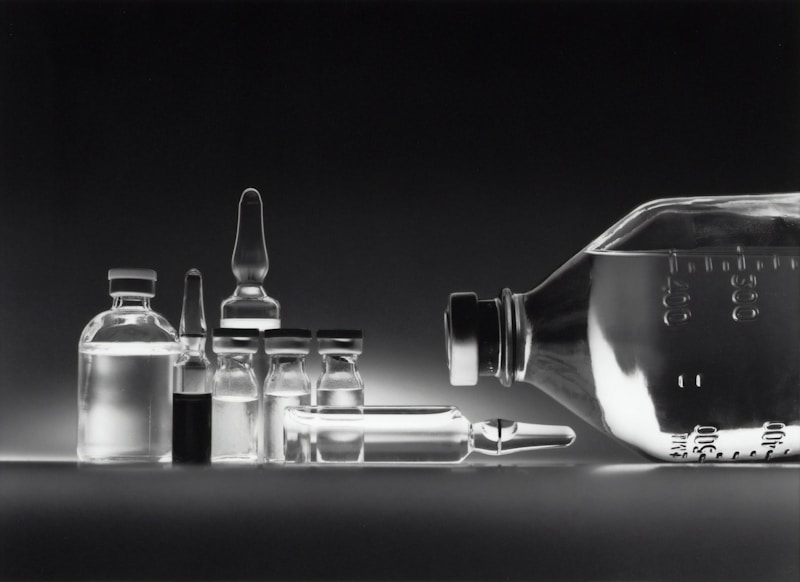
The future of GLP-1 therapy involves oral formulations, longer-acting injectables, and combination approaches
Frequently Asked Questions
Most users notice appetite suppression within 1-2 weeks. Measurable weight loss appears after 4-6 weeks. Maximum effect takes 12-16 weeks as the body reaches steady state. Slower titration (taking 4-6 weeks to reach maintenance dose) reduces side effects and may allow better appetite regulation adaptation.
SURMOUNT 4 trial data shows that discontinuation leads to approximately 50% weight regain within 20 weeks. This mirrors other weight loss medications and reflects the chronic nature of obesity. Most evidence suggests continuous therapy is needed to maintain weight loss. However, some users maintain weight loss after stopping; individual responses vary. Discuss long-term strategy with your physician.
Yes, GLP-1 agonists are FDA-approved and widely used for type 2 diabetes. They improve blood sugar control, reduce cardiovascular events, and promote weight loss—all beneficial. However, in people with type 1 diabetes, GLP-1s are not standard therapy and carry different risk considerations. Always use under medical supervision, especially with insulin therapy, as hypoglycemia risk may increase.
Not recommended. Both work on overlapping receptors (GLP-1). Combining them would increase side effects without additional benefit and lacks safety data. If switching from semaglutide to tirzepatide, wash out the previous medication first. Some clinicians are exploring combinations of GLP-1 agonists with other mechanisms (SGLT2 inhibitors), but these require careful monitoring.
Both are semaglutide. Ozempic is FDA-approved for type 2 diabetes (dose range 0.5-2.4 mg weekly). Wegovy is FDA-approved specifically for weight loss (dose 2.4 mg weekly). Functionally identical, but Wegovy is marketed and dosed for weight loss. Some insurance covers Ozempic for diabetes but not Wegovy for weight loss, even though the drug is the same.
Clinical trial data shows tirzepatide produces approximately 3-5% greater weight loss than semaglutide (22% vs. 17%). For most people, this translates to 6-10 additional pounds of weight loss over a year. However, both are effective, tolerability varies individually, and cost may be similar. "Better" depends on individual response, side effect tolerance, and access.
Missing one dose: Take it as soon as you remember if more than 2 days remain until your next scheduled dose. Otherwise, skip and resume the next scheduled injection. Missing multiple doses: Blood sugar and appetite regulation return to baseline as the drug clears (half-life ~7-9 days). This is why consistent dosing is important for weight loss maintenance.
Rapid weight loss from any source (including GLP-1s) can include 20-30% muscle loss if not managed. Clinical trials show this is mitigated by protein intake and resistance training. Users should aim for 0.8-1.0g protein per pound of body weight and maintain strength training. Some newer research suggests GLP-1 agonists may have slight metabolic advantages in preserving lean mass compared to diet alone.
Semaglutide and tirzepatide are approved in Europe, Canada, Australia, and most developed countries. Tirzepatide was actually approved in Europe before the US. Approval timelines and approved indications vary by country. Retatrutide is being developed globally; approval will likely occur simultaneously in multiple regions. Regulatory status varies for compounded or off-label use internationally.
Multiple mechanisms work together: (1) Reduced appetite through CNS signaling, (2) Delayed gastric emptying (staying full longer), (3) Improved insulin sensitivity (reduced blood sugar swings and cravings), (4) Increased energy expenditure (modest, ~200-300 cal/day), (5) Changes in taste preferences and reward circuitry. It's not a single mechanism but a coordinated metabolic shift. This explains why GLP-1s are so effective—they address multiple pathways simultaneously.
GLP-1s produce 15-24% weight loss; gastric bypass produces 35-50% weight loss. For severe obesity (BMI 40+), GLP-1s may not be adequate alone. However, GLP-1s are less invasive, reversible, and have good safety data long-term. Many clinicians now use GLP-1s first-line, reserving surgery for inadequate response. Conversely, some post-bariatric surgery patients use GLP-1s to augment already-achieved results.
Key Scientific References
- Wilding, J. P., et al. (2021). "Once-weekly semaglutide in adults with overweight or obesity." New England Journal of Medicine, 384(11), 989-1002. [STEP 3 Trial]
- Bluher, M., et al. (2021). "Semaglutide for weight loss in obese individuals." Obesity, 29(12), 1975-1986.
- Jastreboff, A. M., et al. (2022). "Tirzepatide once weekly for weight management." New England Journal of Medicine, 387(3), 205-216. [SURMOUNT 1]
- Lowe, W. L., et al. (2023). "Tirzepatide once weekly versus insulin degludec/insulin aspart once daily in patients with type 2 diabetes." Diabetes Care, 46(5), 863-876.
- Frías, J. P., et al. (2024). "Tirzepatide versus semaglutide for weight management: Phase 2 results." The Lancet, 403(10431), 1028-1039. [REFRAME]
- Lincoff, A. M., et al. (2023). "Semaglutide and cardiovascular outcomes in obesity without diabetes." New England Journal of Medicine, 389(24), 2221-2232. [SELECT Trial]
- Viking Therapeutics. (2024). "VK2735 Phase 2 Trial Results." Clinical Development Pipeline.
- Novo Nordisk. (2024). "OASIS Program: Oral Semaglutide Development." ClinicalTrials.gov
- FDA. (2024). "GLP-1 Receptor Agonists: Class Labeling Review." FDA Safety Communications.
- American Diabetes Association. (2025). "Standards of Care in Diabetes." Diabetes Care, 48(1), S1-S276.